Summer in Tucson is not an abstract discomfort, it is a calendar event. When your air conditioner falters, the choice between repairing what you have or replacing the whole system affects comfort, monthly bills, and the resale value of your home. I have spent years assessing failed compressors, swapping out capacitors at three in the afternoon, and explaining trade-offs to homeowners who wanted clear, practical answers. This guide lays out the real considerations for Tucson houses, with local climate, typical equipment ages, and practical cost ranges front and center. If you are searching for an HVAC company in Tucson AZ or looking up HVAC Service Near Me, these notes will help you ask the right questions and make a defensible decision.
Why the local climate matters Tucson loads an AC unit from March through October, sometimes longer. High daytime temperatures, nighttime heat retention, and frequent dust increase run hours and stress on components. That means an AC here will wear faster than the same unit in a cooler, milder climate. Expect average lifespans to be a few years shorter than national manufacturer estimates if maintenance has been inconsistent. That reality changes the calculus: a repair that makes sense in Seattle might only be a temporary fix here.
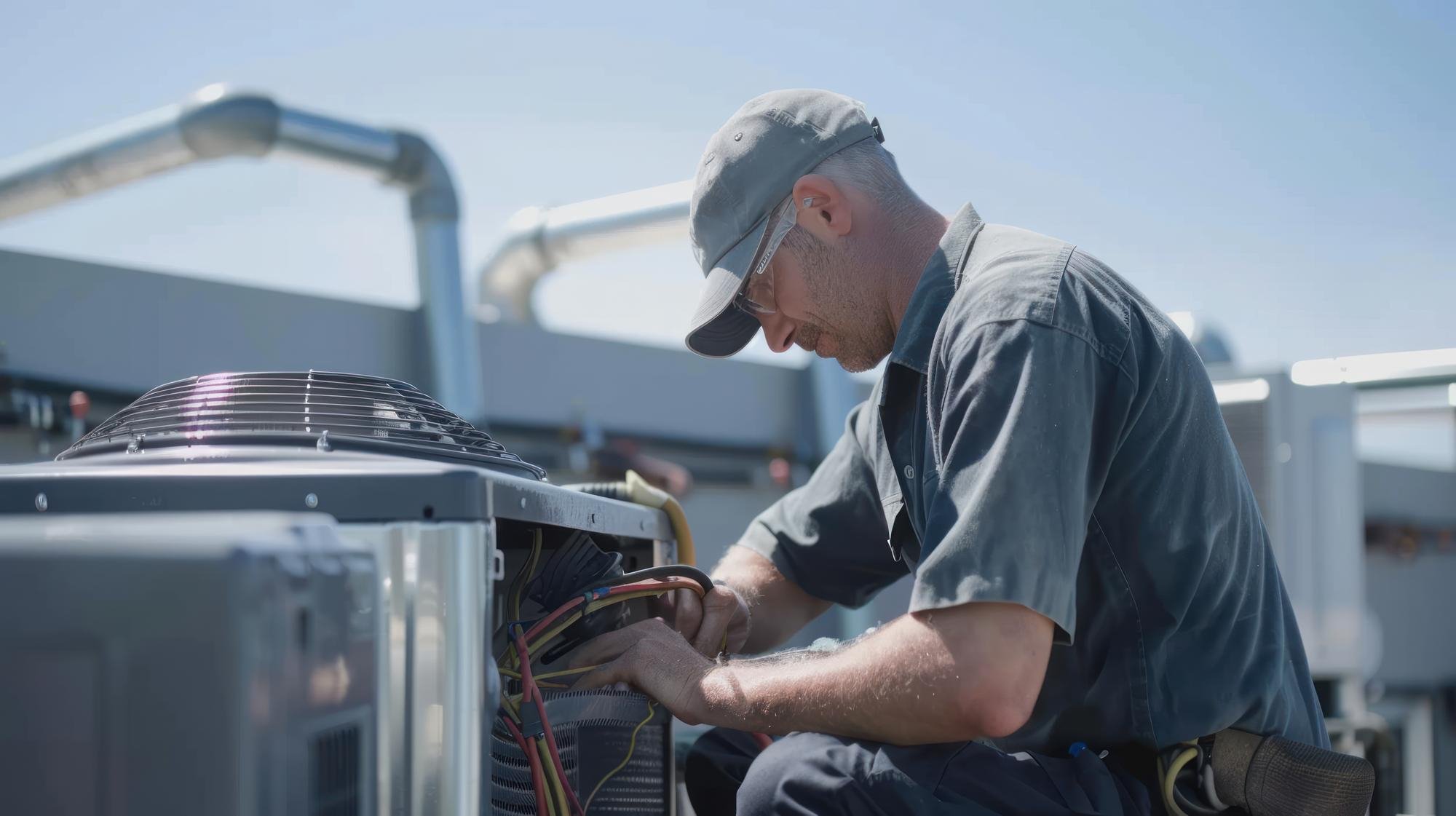
First, check the obvious signs When the unit behaves oddly, start with these diagnostics before bringing up big-ticket choices. Listen for grinding or clunking from the outdoor unit, feel airflow at the vents, note whether the system reaches thermostat setpoints, and look for water around the furnace or indoor coil. Weird smells, frequent short cycling, refrigerant dye stains, and ice on the evaporator coil are red flags that point to specific problems. A reputable HVAC contractor Tucson AZ should perform a thorough inspection, provide a written estimate, and explain both the likely failure causes and the expected remaining life after repair.
Cost ranges you should expect Concrete numbers help. Repair bills in Tucson typically run between a couple hundred dollars for common items, and several thousand when major components fail. Here are realistic ballpark figures based on field experience: replacing a capacitor, contactor, or thermostat falls in the $150 to $500 range; replacing a compressor or reversing valve can run $1,200 to $3,500 depending on the equipment and how much labor is involved; a full system replacement, including new condenser, evaporator coil, and furnace or air handler, commonly ranges from $4,500 to $12,000 or slightly more for higher efficiency models. Those price ranges can shift with brand, accessibility, and whether ductwork or electrical upgrades are needed.
Ask three key questions before deciding Repair decisions hinge on age, frequency of breakdowns, and cost relative to replacement. Ask these three questions, and have the answers in writing from the technician.
1) How old is the equipment, and what is its typical remaining life? Most split-system central ACs last 12 to 18 years in Tucson, shorter if they were installed improperly or neglected. If the unit is younger than 10 years, a repair often makes sense. If it is older than 15 years, replacement is usually the better investment.
2) Has the unit needed multiple repairs recently? If you have paid for two or more significant repairs in the past 24 months, you are in the "repeat repair" zone. Replacing the system can reduce long-term expense and improve efficiency.
3) What is the repair cost as a percentage of replacement cost? A common rule of thumb is the 50 percent rule, where a repair costing more than half of what a replacement would cost pushes you toward replacement. That rule has limits, however. If the repair will extend useful life significantly and efficiency is acceptable, it might still be worth doing. Conversely, a repair at 40 percent of replacement cost on a 16-year-old unit is usually throwing good money after bad.
How efficiency and refrigerant rules play into the decision SEER, or seasonal energy efficiency ratio, matters in Tucson because higher efficiency yields more noticeable savings with long run times. A 14 SEER unit replaced by a 16 SEER model might save 10 to 15 percent on cooling energy depending on house envelope and thermostat behavior. Upgrading from an older 10 SEER unit to a modern 16 or 18 SEER unit increases savings further, and can justify replacement even if the immediate repair cost is moderate.
Refrigerant type is another practical factor. Units installed before 2010 often use R-22 refrigerant, which has been phased out and is expensive to service. If your technician says your unit needs a refrigerant recharge and it uses R-22, expect high parts costs and rising prices as supply tightens. For a midlife unit, replacing a system that uses R-22 is frequently the wiser long-term move.
Maintenance and workmanship change outcomes In my experience, how a unit was installed and maintained far outweighs brand loyalty. Poorly sized equipment, incorrect refrigerant charge, and dirty coils reduce lifespan and stress components. A single example: a homeowner had repeated compressor failures. The compressor was replaced twice before an HVAC company confirmed the outdoor unit had been installed under a low overhang, starving airflow, and the evaporator coil underneath was heavily coated with dust. Correcting airflow and cleaning the coil eliminated the recurrence. When you get an estimate, ask whether the contractor performs airflow measurements, checks refrigerant charge with pressure/temperature charts, and documents findings. That kind of rigor matters.
When repair makes sense Repair often wins when the problem is isolated, the unit is relatively young, and maintenance has been consistent. If the compressor took a hit because of a power surge, replacing the compressor and the run capacitor might fix everything for a moderate outlay. Similarly, replacing a failing blower motor or a cracked heat exchanger can be justified when the equipment is under 10 years old and otherwise in good condition.
Consider this case: a 7-year-old 14 SEER unit shows signs of a leaking reversing valve in a heat pump. Repairing the valve and recharging refrigerant cost about $1,100. The homeowner plans to stay in the house for five more years and performs annual maintenance. The repair preserves service life, restores efficiency, and costs less than half of a replacement. Repair is the sound choice.
When replacement is the smarter financial move Replacement is preferable when the unit is old, parts are hard to find, or the system has had repeated, varied failures. If the evaporator coil is corroded, the outdoor coil is damaged, and controls are obsolete, piecemeal repairs add up quickly. A typical example: a 16-year-old system with a failing compressor, rusted coil, and frequent control board issues might need $4,000 in repairs. A full replacement at $6,500 yields a new warranty, higher efficiency, and lower annual operating costs, which makes more sense for a homeowner intending to occupy the home for several years.
Replacement also makes sense when upgrading the ductwork, improving indoor air quality, or resizing for efficiency. Duct leakage of more than 20 percent can negate efficiency gains from a more efficient air conditioner, so factor in duct repairs or sealing when considering a replacement.
How to evaluate contractor recommendations Not all estimates are equal. A trustworthy HVAC contractor in Tucson AZ will provide a written scope that lists exact parts, estimated labor, warranty details, and expected timeline. They will explain why a repair fixes the root cause, or conversely, why a replacement closes multiple failure modes. Beware of quotes that are just a line item with a single price, and steer toward contractors who offer references, explain system sizing with Manual J load calculations, and provide a clear parts warranty along with workmanship warranty.
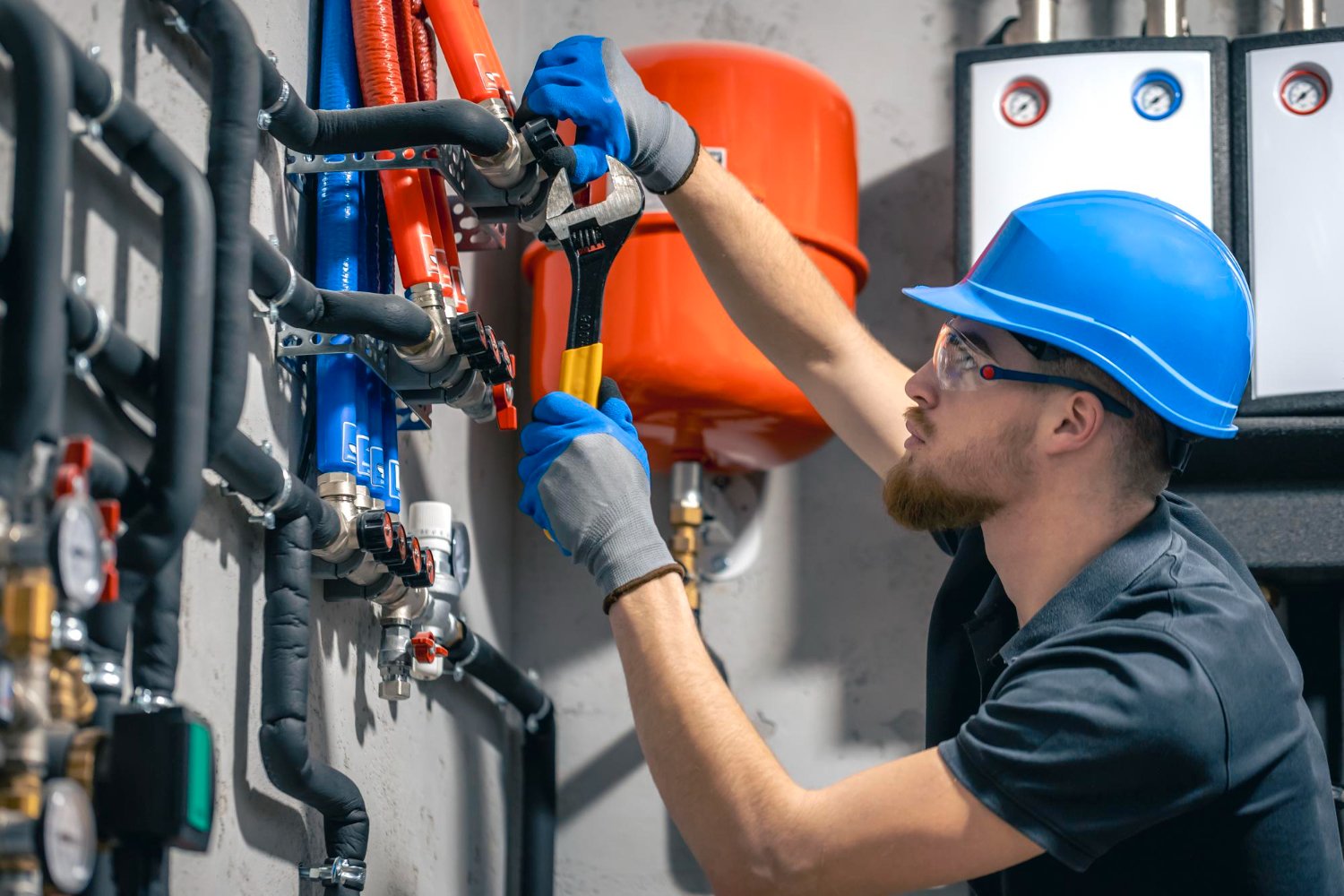
If you search for HVAC Service Near Me, look for local HVAC experts Tucson AZ who come with transparent pricing, positive online reviews tied to verifiable jobs, and technicians who will answer technical questions without evasiveness. If you’re considering Plunkett Home Services, ask for examples of recent jobs similar to yours, and whether they handle permits and rebates.
Making the replacement choice: features to prioritize When you decide to replace, prioritize these features based on budget and goals. First, get properly sized equipment, not the biggest unit you can afford. Oversized units short-cycle, which reduces dehumidification and increases wear. Second, consider variable-speed blowers and variable-capacity compressors if humidity control and quieter operation are priorities. Third, verify the unit’s SEER rating and look at realistic estimated annual energy savings based on your bill and run hours. Finally, insist on a full system warranty, and request that the installer document refrigerant charge, airflow, and electrical parameters.
A short checklist for deciding in the moment Use this checklist when a technician is standing in your living room with a diagnosis.
- Age of system, recent repair history, and cost of the quoted repair relative to replacement. Evidence the failure is isolated, versus symptoms pointing to systemic problems like coil corrosion or control board age. Whether the unit uses R-22 refrigerant, and how that affects parts and recharge costs. The expected remaining life after repair, and the homeowner's plans for time in the house. Whether the contractor documents measurements and offers written warranties.
Financing, rebates, and incentives Replacing an AC is easier to commit to when financing and rebates reduce the upfront hit. Local utilities and manufacturers occasionally offer rebates for higher efficiency equipment or for heat pump conversions. Tucson Electric Power and other Arizona programs periodically run incentives for energy-efficient upgrades. Tax incentives for energy-efficient equipment may apply, and some contractors offer low-interest financing. Always read the fine print, confirm which models qualify, and get rebate paperwork before scheduling installation.
A few trade-offs and edge cases There are trade-offs every homeowner must weigh. Switching to a higher SEER system reduces operating costs, but the marginal savings shrink with small usage. If your run hours are low because of ceiling fans or shaded windows, the payback period widens. Another edge case is historic homes with cramped mechanical closets. A modern coil may require duct or cabinet modifications, adding cost and complexity. In such situations, repair may be less disruptive.
If you are a landlord with rotating tenants, durability and low repair frequency often trump the latest efficiency. Conversely, if you are installing for resale, a high-efficiency system can be a selling point in Tucson’s market, where buyers expect reliable summer cooling.
How to proceed after the decision If you choose repair, ask for a clear parts warranty and a written explanation of what was fixed and why. Request that the technician leave a maintenance checklist so you can keep the unit in good shape. Consider enrolling in an annual maintenance plan with the installing contractor, which often reduces emergency service charges and extends equipment life.
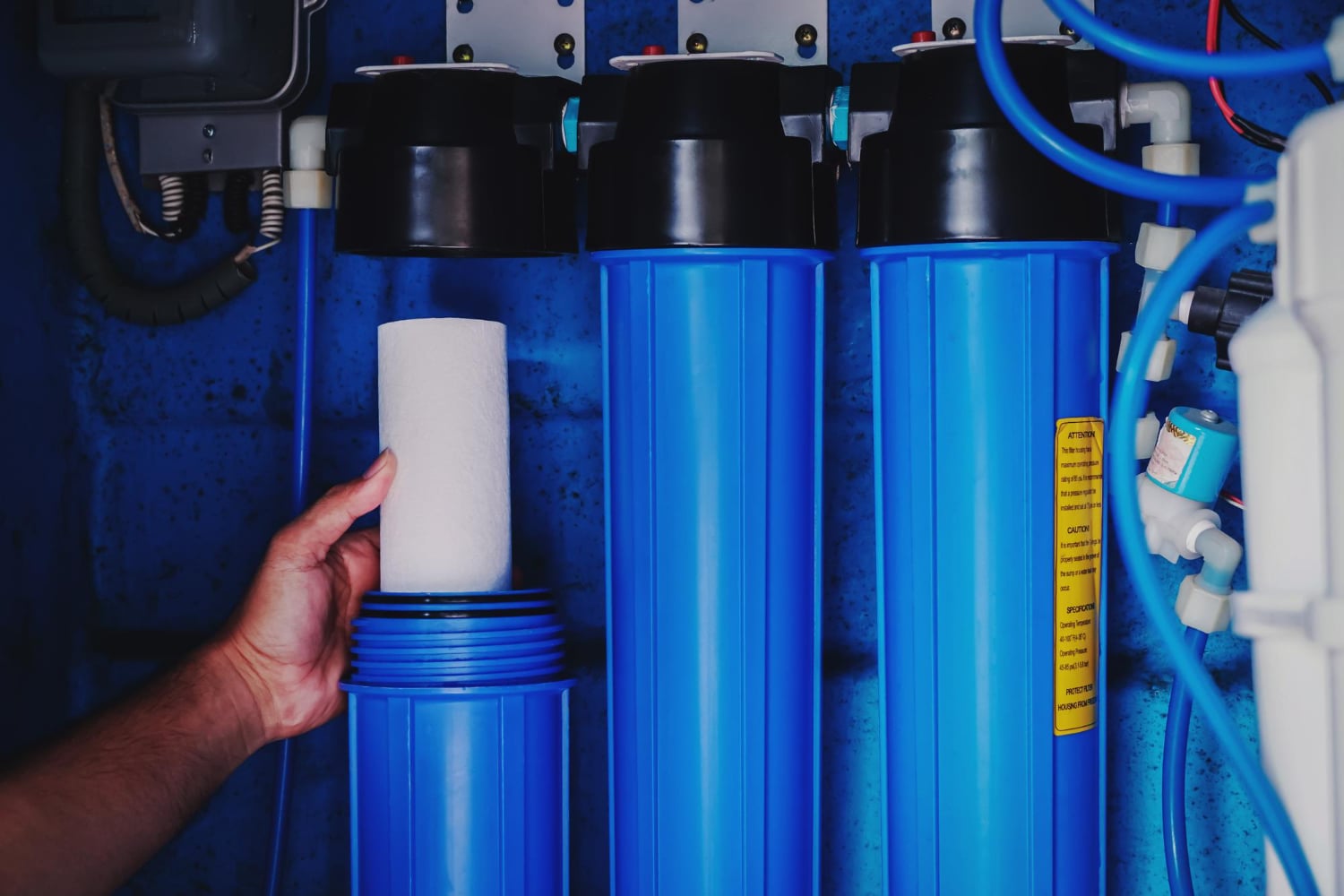
If you choose replacement, lock in scheduling details, confirm the removal and disposal of the old unit, and make sure the installer tests the system under real load conditions. Watch for proper refrigerant handling documentation, especially with R-410A systems, and keep the installation paperwork and warranties in a safe place for future buyers or service calls.
When to call professionals and what to expect If you smell burning, see oil or refrigerant stains, hear loud mechanical failure, or experience no airflow at all, call a professional immediately. For less urgent issues, get two or three written estimates from local HVAC contractor Tucson AZ firms, and compare scope and warranties, not just the bottom-line price. A quality contractor will perform diagnostics first, provide a clear explanation, and recommend repair or replacement with a written price and an expected timeline.
Final note on local expertise Local knowledge matters. A company familiar with Tucson’s dust, heat load, and wiring practices will avoid common mistakes, such as undersized condensate lines, inadequate saturation for evaporator coils, and poor outdoor unit siting. If you search Heating services near me or Heating contractor Tucson to expand the Furnace contractors near me scope beyond cooling, choose a firm that services both cooling and heating, because integrated knowledge of airflow and control systems reduces future surprises.
If you feel uncertain, bring a second opinion. An experienced technician can validate whether a repair is temporary or long-lasting. Plunkett Home Services and other local HVAC experts Tucson AZ can provide that confidence, when they back up recommendations with measurements, warranties, and plainspoken explanations.
Deciding between AC repair and replacement is less about a single number and more about context: equipment age, previous maintenance, costs, refrigerant type, and how long you intend to keep the house. Treat the process like an investment decision, gather clear estimates, insist on measurement-based diagnosis, and favor contractors who document their work. That approach will protect your comfort, your wallet, and the long-term health of your home in Tucson’s challenging climate.
Plunkett Home Services
3144 E Fort Lowell Rd, Tucson, AZ 85716
+1 (520) 808-2743
[email protected]
https://callplunkett.com/